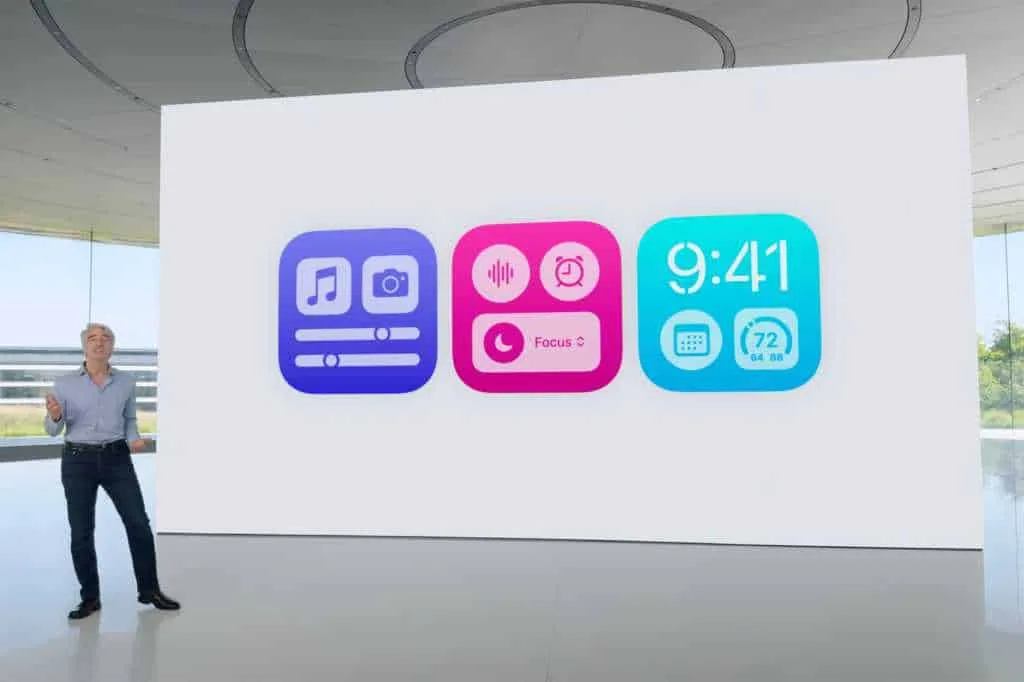

Apple’s latest operating system update, iOS 18, marks a significant departure from the company’s traditionally minimalist and curated design ethos. At the heart of this update lies a sweeping expansion of customization features, allowing users to tailor nearly every aspect of their iPhone interface—from icon placement and color tinting to Control Center layouts. While this level of personalization fulfills long-standing user demands for flexibility, it is precisely this abundance of choice that would have conflicted deeply with Steve Jobs’ vision. Jobs believed in delivering products that anticipate users’ needs, not simply catering to their expressed wishes. This article examines the philosophical and practical reasons why Jobs would have rejected iOS 18’s biggest feature, highlighting the tension between user-driven customization and Apple’s historic commitment to elegant simplicity.
Steve Jobs’ Philosophy: Needs Over Wants
Steve Jobs famously prioritized innovation that users didn’t yet realize they needed, rather than giving them what they explicitly wanted. He argued that customers often lack the foresight to articulate their desires, which is why Apple focused on anticipating needs and delivering groundbreaking products that redefined categories. This approach was evident in the development of the iPhone, iPad, and other iconic devices that combined simplicity with powerful functionality.
Jobs’ mantra, “People don’t know what they want until you show it to them,” encapsulated his belief that design should be guided by visionaries rather than market research or consumer whims. He viewed excessive customization options as a distraction from a cohesive user experience, potentially diluting the brand’s identity and confusing customers.
In contrast, iOS 18’s customization feature represents a shift toward accommodating user preferences in a granular way. While this aligns with modern trends emphasizing personalization, it challenges the notion of a tightly controlled, streamlined interface that Jobs championed throughout his tenure at Apple.
The Rise of Customization in iOS 18
iOS 18 introduces an unprecedented level of customization, allowing users to move icons anywhere on the Home Screen, tint app icons in various colors, hide app labels, and resize both apps and widgets. Additionally, the Control Center can be extensively rearranged, with users adding buttons, resizing sliders, and swapping out Lock Screen controls. This degree of flexibility rivals and potentially surpasses what Android offers, marking a major evolution for iPhone users.
For years, Apple enthusiasts have requested more customization options, often citing Android’s open approach as a benchmark. iOS 18 delivers on these demands, providing a toolkit that empowers users to craft a unique visual and functional experience tailored to their tastes and workflows.
However, this expansion of choice also introduces complexity. Where previous iOS versions emphasized clarity and consistency, iOS 18’s customization can lead to visual chaos and inconsistency, undermining the intuitive, cohesive feel that Apple’s interface was known for.
Visual Chaos vs. Design Clarity
One of the most significant criticisms of iOS 18’s customization is the potential for visual clutter. With users able to alter icon colors, sizes, and placement freely, the Home Screen can quickly become a patchwork of mismatched elements lacking harmony or balance. This undermines Apple’s long-standing principle of clean, uncluttered design.
The Control Center, once a simple, streamlined space for essential toggles and sliders, now spans multiple pages filled with user-configured options. This can create confusion rather than convenience, making it harder for users to find what they need quickly and intuitively.
Steve Jobs was a perfectionist who valued simplicity and elegance in design. He believed that every element on a screen should serve a clear purpose and contribute to an overall experience that feels natural and effortless. The potential for disorganized customization runs counter to this ethos, risking a fragmented user experience.
User Choice vs. Expert Curation
Jobs’ approach to product design was rooted in expert curation rather than giving users unlimited choices. He trusted Apple’s design team to craft experiences that balanced beauty, functionality, and ease of use. This meant limiting options to those that enhanced the product’s core purpose and avoided overwhelming users.
The shift in iOS 18 toward broad user customization reflects a broader industry trend prioritizing user agency and personalization. However, this can come at the cost of design coherence and usability, especially when users are left to manage complex configurations without clear guidance.
Jobs would likely have seen this as a dilution of Apple’s design integrity. He understood that too many options can lead to decision fatigue and degrade the overall experience. By contrast, Apple under his leadership focused on refining a few powerful features rather than scattering attention across numerous customizable elements.
The Balance Between Innovation and Simplicity
Innovation at Apple has historically meant introducing transformative features that simplify and enhance user interaction. Features like multi-touch gestures, the App Store, and Face ID revolutionized how people use technology by making it more intuitive and accessible, not more complicated.
iOS 18’s customization, while innovative in scope, arguably adds layers of complexity rather than reducing them. This complicates the user experience and may alienate less tech-savvy users who prefer a straightforward, out-of-the-box interface.
Steve Jobs championed the idea that true innovation makes technology disappear into the background, allowing users to focus on their goals rather than on managing settings. The sprawling customization options in iOS 18 risk drawing attention to the interface itself, rather than enabling seamless interaction.
The Impact on Brand Identity and User Experience
Apple’s brand has long been associated with simplicity, elegance, and intuitive design. This identity helped differentiate its products in a crowded market and fostered strong user loyalty. Excessive customization threatens to erode this identity by introducing fragmentation and inconsistency across devices.
When users create wildly different interfaces, the shared Apple experience can diminish, potentially weakening the sense of community and familiarity that Apple cultivated. This could also complicate support, training, and app development, as developers must account for a broader range of user configurations.
Jobs understood that a consistent, polished user experience was a competitive advantage. He believed that controlling the user interface tightly ensured that Apple products felt cohesive and premium. iOS 18’s customization challenges that control, opening the door to a more chaotic ecosystem.
Where Apple Intelligence Aligns with Jobs’ Vision
While Jobs would likely have rejected the icon tinting and rearrangement features, other iOS 18 innovations, such as Apple Intelligence, align more closely with his philosophy. Apple Intelligence uses advanced machine learning to anticipate user needs and streamline workflows without requiring manual configuration.
This feature embodies Jobs’ belief in proactive design—delivering functionality users didn’t know they needed while keeping the interface simple and intuitive. It enhances productivity and user satisfaction by working quietly in the background, rather than demanding constant adjustments.
Apple Intelligence and similar features demonstrate that Apple continues to innovate in ways Jobs would have supported, focusing on meaningful improvements rather than superficial personalization.
Imagining Apple Under Steve Jobs in 2024
It’s impossible to know exactly how Steve Jobs would have steered Apple in 2024, but it’s reasonable to speculate that his priorities would remain consistent. He would likely embrace technologies that push boundaries and simplify lives, such as augmented reality, advanced AI, and seamless hardware-software integration.
However, Jobs would probably resist trends that sacrifice design clarity for the sake of catering to every user whim. The expansive customization in iOS 18, especially the ability to tint icons and rearrange every detail, would seem like a step backward to him—a distraction from Apple’s core mission.
Ultimately, Jobs’ legacy is one of visionary leadership that balanced innovation with discipline. While Apple has evolved under Tim Cook’s stewardship, the tension between user choice and design control remains a defining challenge for the company.
Conclusion
The arrival of iOS 18’s extensive customization marks a significant shift in Apple’s design philosophy, embracing user empowerment in ways previously unseen on the iPhone. While this evolution meets long-standing user demands, it conflicts with Steve Jobs’ foundational principles of simplicity, expert curation, and visionary innovation. Jobs believed in crafting experiences that users didn’t know they needed, delivered through a refined, consistent interface. The potential for visual chaos and complexity introduced by iOS 18’s customization would likely have been unacceptable to him. However, Apple’s continued pursuit of intelligent, seamless features like Apple Intelligence shows that the spirit of Jobs’ innovation endures, even as the company adapts to modern user expectations. As Apple moves forward, balancing customization with design integrity will remain a critical challenge—one that calls for the same visionary leadership that defined the company’s past.